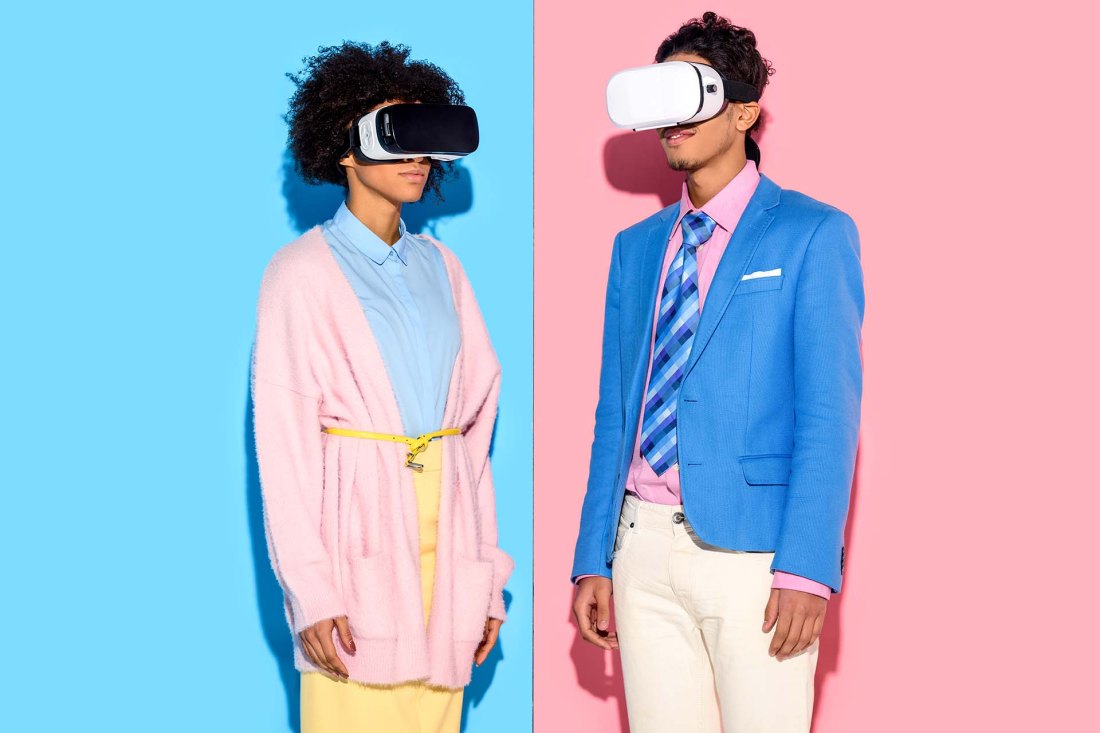
In order to maintain its relevancy, the fashion industry needs to keep up with all sorts of global trends including virtual reality. Virtual reality is defined as “the computer-generated simulation of a three-dimensional image or environment that can be interacted with in a seemingly real or physical way by a person using special electronic equipment, such as a helmet with a screen inside or gloves fitted with sensors.”, if you refer to my previous posts you could see how this could be beneficial to the fashion industry because of the fact that the industry is being heavily influenced by social media and the tech world in general. Fashion companies that are either solely known for their online presence or that are trying to increase their online presence could use virtual reality in their favour.
A simple way for brands to include virtual reality into their online websites would be to create a feature that allows their clients to applaud 360 images of themselves to be able to “try on” the clothes on their virtual selves so that they can better envision themselves in the garments they will be purchasing. Thus creating less returns to the retailer and the company due to the customers insatisfaction.
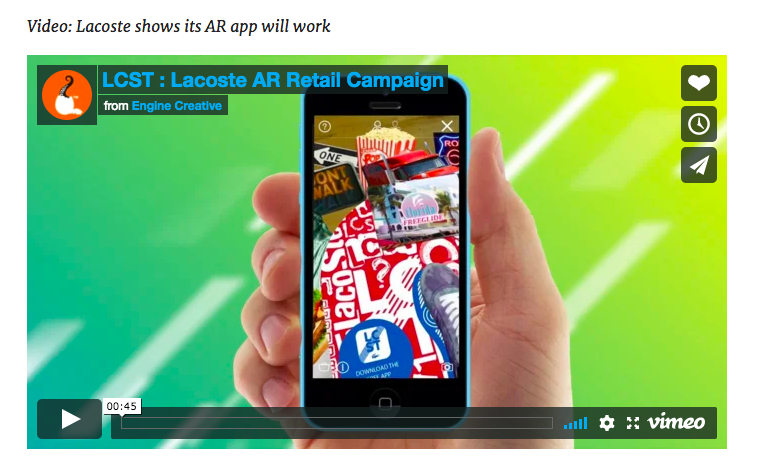
A few brand shave already done this and it has proved to be successful. Lacoste was one of the early adopters of this trend wen they introduced the AR feature with an app that allowed their clients to view what a shoe would look like on their foot and displaying product details.
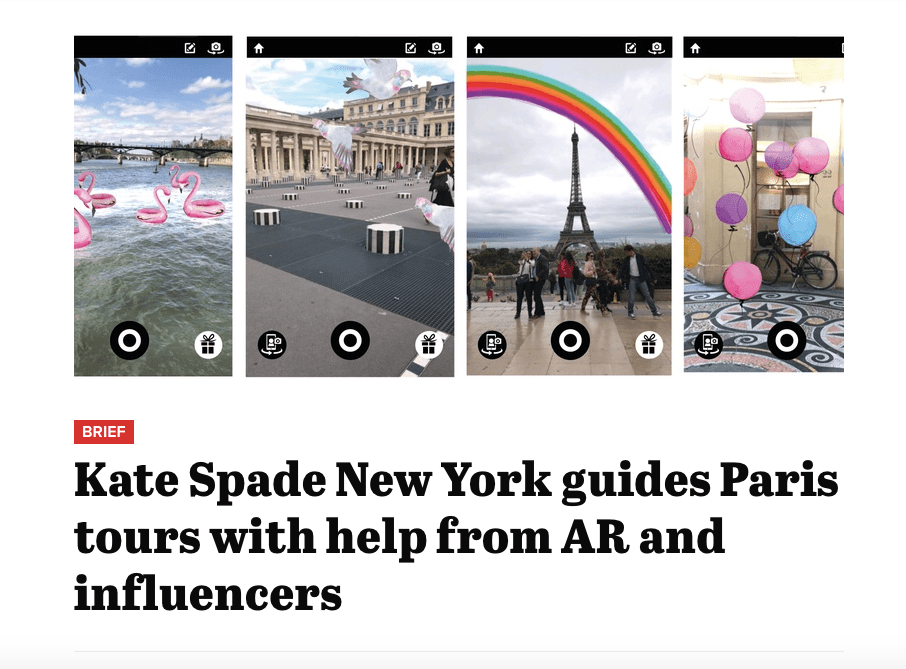
Kate Spade was also one of the first brands to embrace this new technology when they opened their first brick and mortar store in Paris. Kate Spade released an AR app as well that allowed their consumers/users to take a virtual walking tour of Paris. Although this may seem irrelevant to the brand itself, this marketing stunt created a lot of traffic towards their new store as well as positive press for the brand as a whole.
Virtual reality could ease the cognitive dissonance that most online shoppers feel after making a purchase. Virtual reality would allow them to use more than their imagination, or a model who they most likely cannot relate to in terms of proportions, as a way to figure out how a garment will actually look on their bodies. VR gives the client the opportunity to not only see how the garment would fall on the silhouette, but also see how the colours would complement their skin tone or hair colour. Virtual reality is also beneficial as a great marketing tool because it is still relatively new to the general public and it creates hype and attraction to a brand because of the fact that it comes across as innovative and modern.
I believe that virtual reality could be used as a great tool for fashion brands to better connect with their consumers. I think that if used correctly it is a great way for brands to get a better understanding of their customers needs and for customers to feel more secure with their purchases!
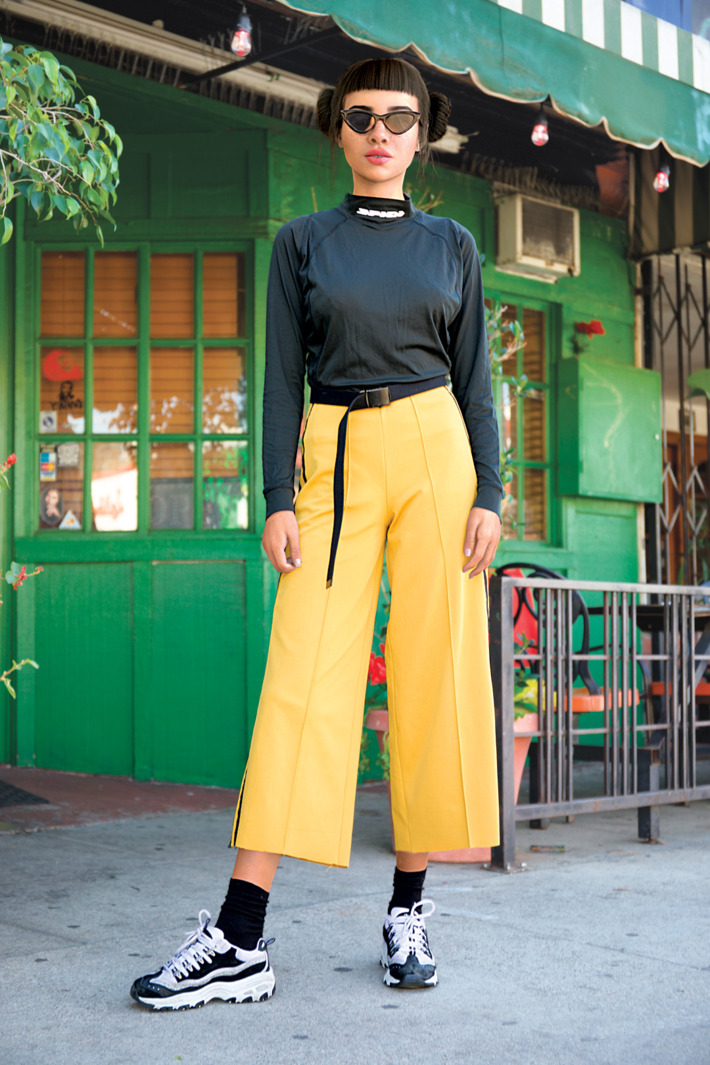
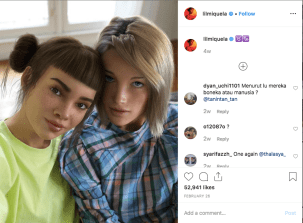
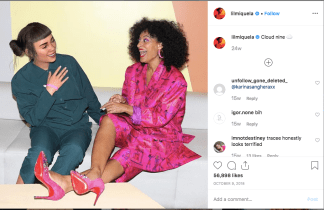
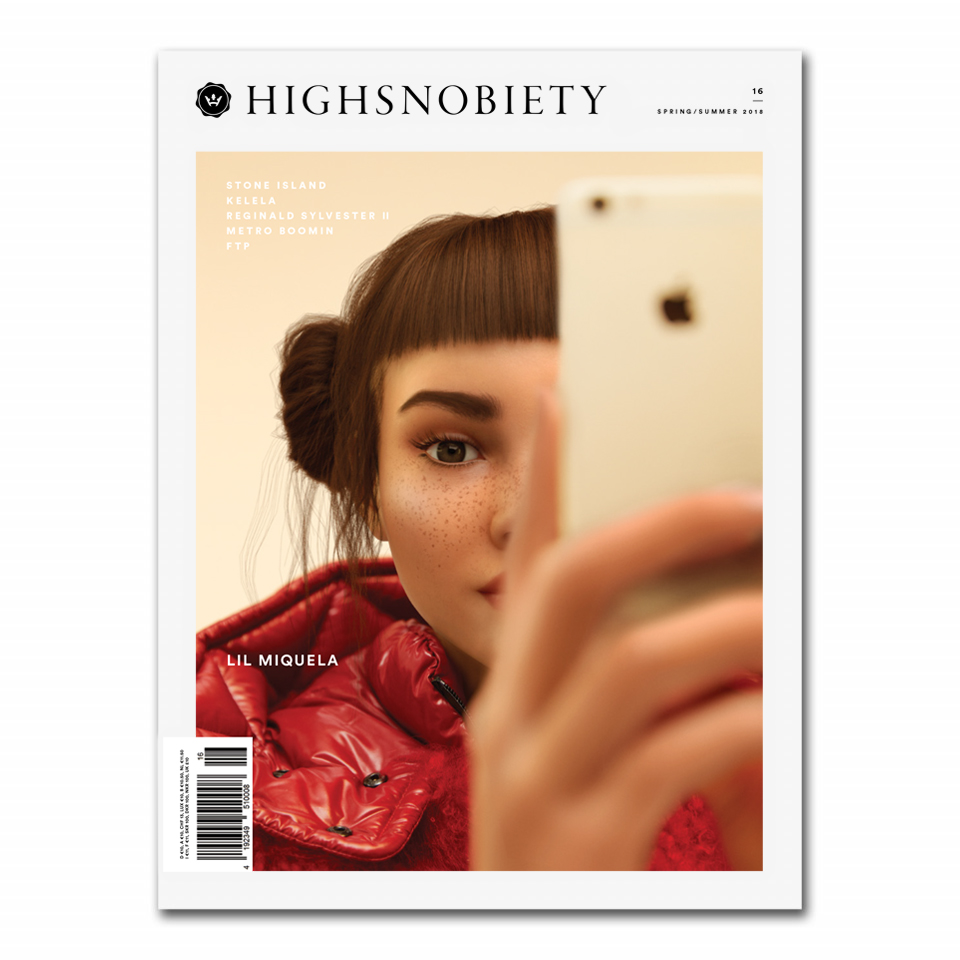 Lil Miquela has partnered with some of the most popular fashion and streetwear brands and has become a great form of publicity for each of them because she incites curiosity. The fashion industry is always evolving and constantly changing, therefor it only makes sense for these brands to want to partner with lil Miquela. She starts a conversation and those brands become a part of that conversation. If everyone is talking about her and debating all the conspiracies surrounding her, why not bring that attention towards your brand?
  A few decades ago fashion marketing students were taught that the online shopping industry was just another trend that would pass eventually but it has become a cultural phenomenon and a great means of convenience. Due to this, the online shopping industry has become an unforeseen threat to the retail industry. Compare how much we depend on the internet, to how we used the Internet 20 years ago.
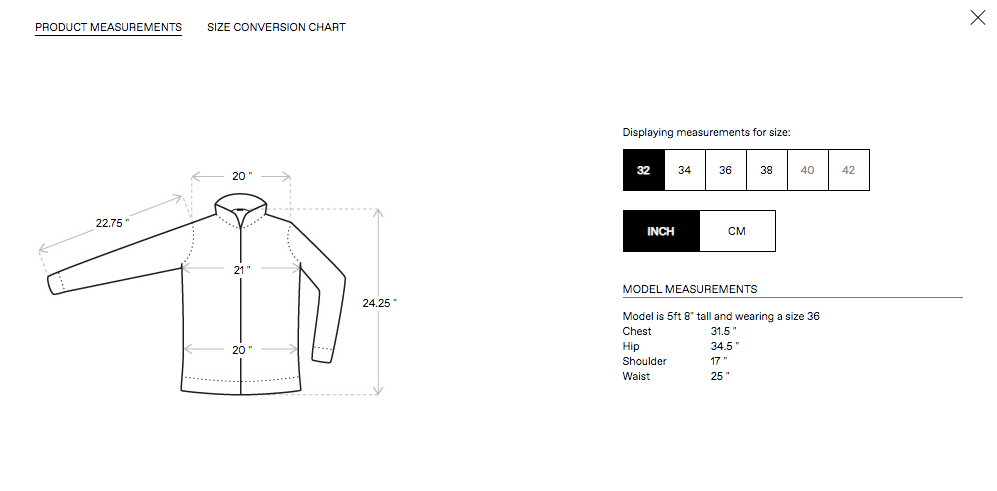
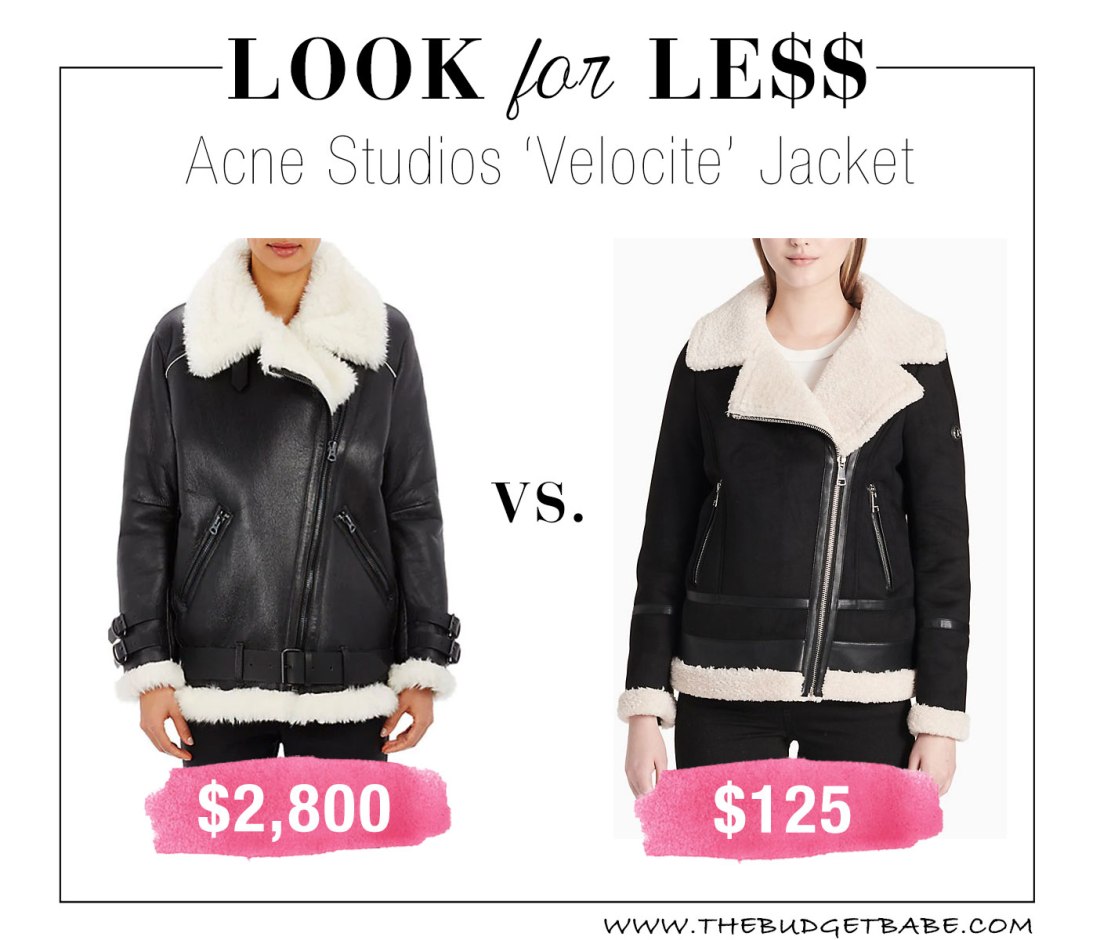 This new found speed of trends and mass production in my opinion is a really bad thing. This not only has a incredibly negative impact on the environment it is also morally wrong to steal ideas from another person and make a profit off of their creativity. Personally I think that this also has a hand in the way we perceive style and personal style. Teenagers now a days are more likely to buy things just because they think it’s trendy rather than because they genuinely appreciate it. Do people actually like what they’re buying or are they just buying into the hype of a trend and waiting for the next one to come around? And how do we even know what we like anymore, when we are constantly being sold things with the idea of whichever lifestyle we think we’re supposed to have.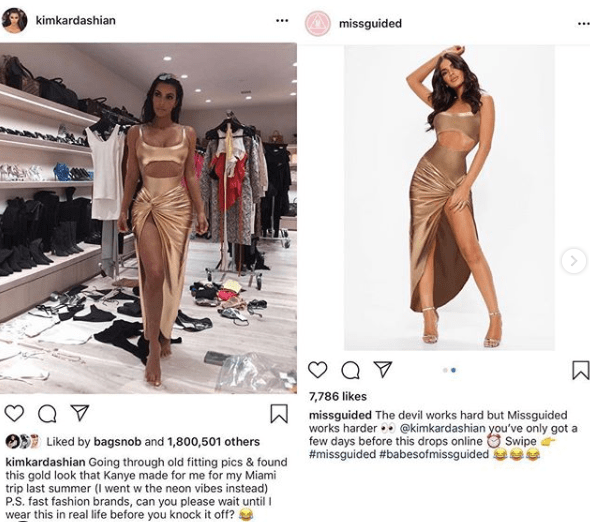
 Thefashionpost